•


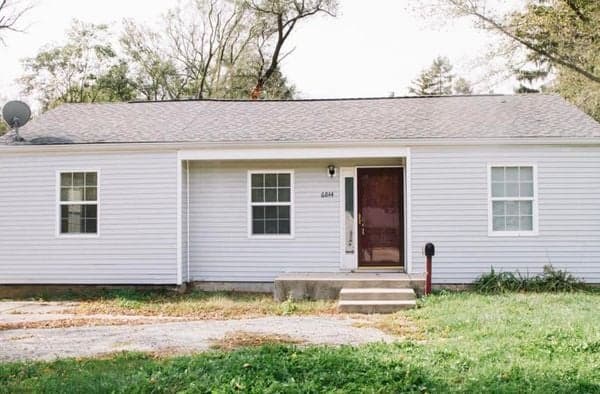

Buying a rental property is not just about finding a house and collecting rent. It is about knowing your market, understanding your loan options, running the numbers, and protecting yourself from mistakes that can slow down your next deal.
We recently spoke with David Lecko on the DealMachine REI Podcast about his second rental property, and we pulled in official mortgage guidance to build this practical guide for investors looking to buy a rental property with more confidence.
The Deal at a Glance: Purchase price: $104,746 | Listed: 120 days | Rent: $1,000/mo | Mortgage payment: $380.69/mo | Down payment: $13,098 per partner (two partners, $26,196 total)
David's deal started with a listing that had been sitting on the market for 120 days. He contacted the seller, who was also the listing agent, and learned that another buyer had made the same offer with a stronger down payment. Then something unexpected happened. The seller had seen a video of David talking about leadership training and decided to give him a chance, even though the other buyer looked stronger on paper.
That property became a cash-flowing rental, but it also taught David lessons in partnerships, financing, and escrow that go well beyond one lucky video.
Why Rent Minus Mortgage Is Not Your Real Number
A rental property should be treated like a business. The rent check is income, but it is not profit. Many new investors see a property renting for $1,000 a month, subtract a $380.69 mortgage payment, and assume they are clearing $619.31. That is the mistake this article is built to fix.
The Real Math: Building a Full Reserve Estimate
A complete monthly estimate has to account for more than the mortgage. Real estate investors typically reserve a percentage of monthly rent for each of the following categories, then adjust based on the specific property and market:
|
Reserve Category |
Typical Range |
Example on $1,000 Rent |
|
Vacancy |
5% of rent |
$50/mo |
|
Property Management |
8–10% of rent |
$80–$100/mo |
|
Repairs & CapEx |
10% of rent |
$100/mo |
|
Taxes & Insurance |
Varies by property |
~$150/mo combined |
Applied to David's deal, that is roughly $380–$400 a month in reserves on top of the mortgage payment, which narrows the "leftover" cash flow considerably. This is why a deal with strong rent still needs this second layer of review before you close.
Two formulas worth knowing:
- Net Operating Income (NOI) = Monthly Rent − Operating Expenses (taxes, insurance, management, repairs, vacancy — not including the mortgage payment)
- Cash-on-Cash Return = (Annual Cash Flow ÷ Total Cash Invested) × 100
Cash-on-cash return tells you how hard your actual cash, not the property's full value, is working for you. If you put $13,098 into a deal and it produces $2,400 in annual cash flow after the mortgage and reserves, your cash-on-cash return is about 18%. Running this number before you close, not after, is what separates a hopeful guess from an informed offer.
How to Buy a Rental Property, Step by Step
Start with a clear goal. Decide what you want the property to do for you, whether that is monthly cash flow, long-term appreciation, or a future refinance. Your goal shapes what kind of property fits.
Study the local rental market. Rental demand is local. Check similar rentals nearby, comparing condition, parking, and distance to jobs and schools. Do not rely on a single rent estimate.
Find properties with built-in opportunity. David found his deal because the listing had sat for 120 days, which usually means something is holding buyers back. You can find these opportunities through off-market owner outreach, driving for dollars, absentee owner lists, and direct mail. DealMachine can help by letting investors find properties, collect owner information, and organize outreach so you build a repeatable pipeline instead of waiting on one listing.
Run the full deal analysis. Use the reserve table above alongside the purchase price, closing costs, needed repairs, and loan payment. The goal is not a perfect forecast. It is to avoid making a decision blind.
Make a clean offer. David won his deal with a smaller down payment than the competing buyer because the seller trusted him. Proof of funds, clear terms, and fast, respectful communication all strengthen an offer beyond price alone.
Financing a Rental Property the Smart Way
Buying a rental is different from buying a primary home. Lenders look more closely at credit, reserves, property type, and projected rental income.
One of David's biggest lessons came from putting both his name and his partner's name on the mortgage. Fannie Mae's multiple financed properties guidelines cap conventional financing at 10 properties per borrower, and once you cross four financed properties, stricter underwriting, credit, and reserve requirements kick in for the fifth through tenth. That count is cumulative across everyone on the loan, so a partnership can quietly use up room you were planning to save for your own next deal.
This does not mean partnerships are bad. It means loan structure matters. Talk with a lender, CPA, and attorney before closing with a partner, and decide up front who is on the loan, who is on title, and how a future sale would work. Put in writing who brings the money, who manages the property, how income and losses are split, and what happens if one partner wants out.
Escrow vs. Handling Bills Yourself
David chose not to escrow taxes and insurance because he wanted more control, and later he forgot to pay a bill and got hit with a penalty. His own words afterward were simple: "Boy, was I wrong."
|
Escrow |
Self-Managed |
|
|
Who pays the bill |
Lender/servicer, from funds collected monthly |
You, on your own schedule |
|
Best for |
Investors who want simpler bill management |
Investors with strong systems and cash discipline |
|
Risk |
Escrow shortages if taxes/insurance rise |
Missed deadlines and penalties |
According to the Consumer Financial Protection Bureau, an escrow account is set up by your mortgage lender to collect money each month and pay certain property-related bills, like taxes and insurance, on your behalf. For many newer investors, that structure is simpler because it keeps big annual bills from sneaking up on you. If you handle bills yourself instead, build a reminder system and a separate savings account before the first bill comes due.
Evaluating a Property Before You Buy
A good rental property is the income, the repair risk, the tenant demand, and the future resale value, all together. Check the location for reasons tenants actually want to live there, and drive the street itself at different times of day. Check the condition with a qualified inspector so a low price does not disappear into a surprise roof or HVAC replacement. Check the rent using several sources rather than the highest number you can find. And check your exit plan, since a property you could hold, refinance, or sell gives you more flexibility than one with only a single path forward.
Pre-Closing Checklist
Run through this list before you sign anything:
- [ ] Confirmed rent using at least three comparable listings, not one
- [ ] Calculated NOI and cash-on-cash return using real numbers, not estimates
- [ ] Built a reserve line for vacancy, management, repairs, and CapEx
- [ ] Asked your lender how this loan affects your financed-property count
- [ ] Decided who is on the loan and title if buying with a partner
- [ ] Put partnership terms in writing, including an exit plan
- [ ] Chosen escrow or self-managed bills, with a system either way
- [ ] Walked the property with an inspector or contractor
- [ ] Confirmed insurance and closing costs before your closing date
Where DealMachine Fits
Learning how to buy a rental property gets easier when you have more deal opportunities to review instead of competing with every other buyer on the same public listings. DealMachine helps investors find off-market leads, track owner information, and organize follow-up, so you can drive a neighborhood, spot a property that looks vacant or neglected, save it as a lead, and start outreach on your own timeline. That does not replace due diligence, but it does build the habit that matters most for rental investors: consistent lead generation.
David's second rental worked because the numbers were strong, but his story also shows that real estate investing is rarely clean or perfect. He found a stale listing, won a seller's trust, brought in a partner when he needed help with the down payment, made a financing and escrow mistake, and still ended up with a rental that generates positive cash flow. You do not need every answer before you start. You need to learn quickly, run the real numbers, and protect yourself with better systems.
FAQs
How do I buy a rental property for the first time?
Start by choosing a market, getting preapproved, and learning how to run rental property numbers. Look at rent, taxes, insurance, repairs, vacancy, and cash reserves before making an offer. A simple first rental is often better than a complicated property with too many unknowns.
How much money do I need to buy a rental property?
The amount depends on the purchase price, loan type, down payment, closing costs, repairs, and lender rules. Rental properties often require more cash than a primary home. Talk with an investor-friendly lender before shopping so you know your real buying range.
What is a good cash-on-cash return for a rental property?
There is no single right number, since it depends on your market and goals, but many investors target 8% or higher. Calculate it by dividing your annual cash flow by the total cash you invested, then multiplying by 100.
Should I buy a rental property with a partner?
A partner can help with money, experience, or workload, but the agreement needs to be clear before closing. Decide who brings cash, who signs the loan, who manages the property, and how profits or losses are handled. Put those terms in writing.
Should I escrow taxes and insurance on a rental property?
Escrow can make taxes and insurance easier to manage because the lender or servicer helps pay certain bills when due. Some investors prefer to handle those bills themselves, but they need strong reminders and cash systems. For many newer rental property owners, escrow is the simpler option.